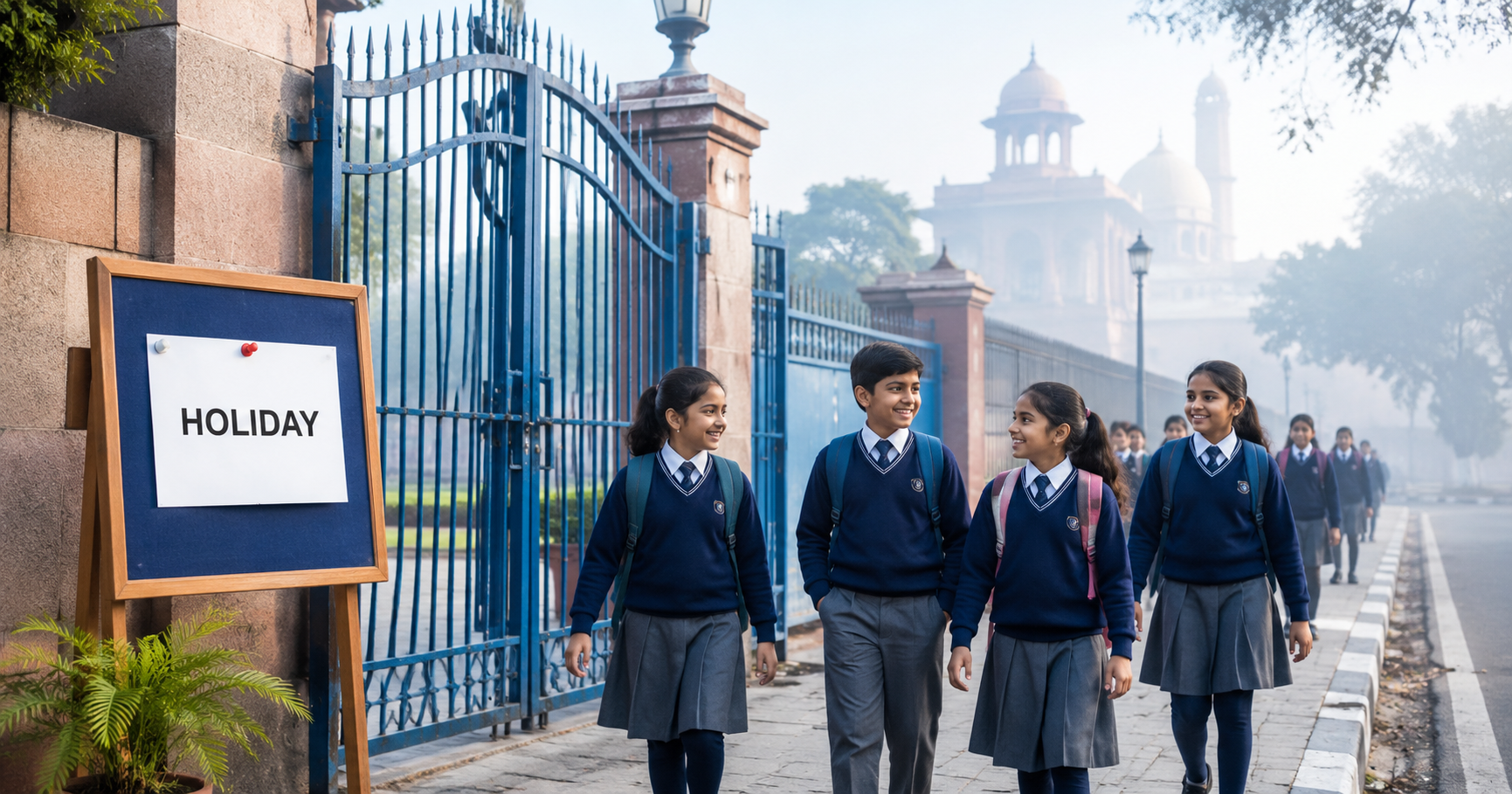
School Holidays: The Complete Guide for Students, Parents & Teachers
Types, dates, benefits, drawbacks, and expert-backed tips — everything you need to understand and enjoy school holidays the smart way.
Every student on the planet knows the feeling. The bell rings on the last day before a school holiday, and for one glorious moment, the entire building exhales. Bags fly. Smiles break. Teachers pretend they are not equally relieved. School holidays are one of the most universally celebrated events in human education — and yet most people know surprisingly little about why they exist, how long they should be, and what actually happens to kids’ brains during those weeks off.
This guide covers all of it. Whether you are a parent trying to plan a summer itinerary, a student wondering how to avoid the dreaded “summer slide,” or a teacher looking for professional development ideas, you are in the right place. Let us dig in.
What Are School Holidays?
School holidays — also called school vacations, school breaks, or school recesses — are scheduled periods when schools close and students are not required to attend classes. They exist in every education system across the world, though the timing, length, and cultural meaning vary enormously from country to country.
The concept is not modern. Ancient scholars in Greece and Rome took seasonal breaks. The modern school calendar, however, took its current shape during the 19th century. One popular myth claims that long American summer breaks exist because farming families needed children to work the fields. However, historians note that 19th-century rural schools actually favored summer academic terms, with breaks happening during the busy spring planting and autumn harvest seasons. The long summer break became standard mainly in urban areas for heat and hygiene reasons, and the tradition simply stuck.
Quick fact: According to Wikipedia’s Academic Year article, in the northern hemisphere, the longest break in the educational calendar can last up to 14 weeks during the summer months — longer than most people realize.
Today, school holidays serve many purposes beyond simple rest. They give families time to reconnect, allow children to develop social and emotional skills outside the classroom, and give teachers space to recharge, plan, and train. They are, in short, not a luxury. They are a structural necessity.
Section 2Types of School Holidays
Not all school holidays are created equal. They come in different flavors, each serving a different purpose in the academic calendar.
Summer Break
The big one. In the United States, summer break typically runs for 10 to 11 weeks between June and August. It is the longest break of the school year and the one most associated with family travel, summer camps, and — unfortunately — the summer slide.
Winter Break (Christmas / Holiday Break)
Winter break usually spans two weeks in late December through early January. Most schools start winter break a few days before Christmas and return after New Year’s Day. It is one of the most emotionally significant breaks because it overlaps with major holidays across many cultures and religions.
Spring Break
Spring break is a one-week pause in the middle of the spring semester, typically landing in March or April. In many religious traditions, it aligns with Easter. In warmer states, it lands a little earlier. It serves as a much-needed mid-semester breathing room for both students and teachers.
Thanksgiving Break
A distinctly American holiday, Thanksgiving break gives students a four-day weekend around late November. It is shorter but still appreciated — and it tends to produce a flood of road trips, airport crowds, and one massive turkey per household.
Federal & National Public Holidays
Throughout the year, schools close on federal and national holidays — days like Labor Day, Martin Luther King Jr. Day, Presidents’ Day, and Memorial Day in the US. These single-day or long-weekend breaks punctuate the school calendar at regular intervals.
Religious & Cultural Holidays
Depending on the school district and community, schools may observe religious and cultural holidays such as Christmas, Easter, Good Friday, Rosh Hashanah, Yom Kippur, Hanukkah, Eid al-Fitr, and Diwali. The diversity of American education means these calendars differ widely by region.
Section 3School Holiday Schedule: Key Dates & Durations
The table below gives a general overview of the typical US school holiday schedule. Exact dates vary by state and school district — always check with your local school calendar for confirmed dates.
| Holiday / Break | Typical Timing | Duration | Notes |
|---|---|---|---|
| Summer Break | Late May / Early June – Late August | 8–12 weeks | Longest break of the year |
| Winter Break | Late December – Early January | ~2 weeks | Covers Christmas & New Year |
| Spring Break | March – April | ~1 week | Aligns with Easter in many districts |
| Thanksgiving Break | Late November | 4 days | Includes Thanksgiving Day + Friday |
| Fall Break / Columbus Day | Mid-October | 1–3 days | Varies by district |
| Presidents’ Day Weekend | February | 3–5 days | Some districts call it “Mid-Winter Break” |
| Martin Luther King Jr. Day | January (3rd Monday) | 1 day | Federal holiday |
| Memorial Day | Late May (last Monday) | 1 day | Often marks the last week of school |
Source: TutorChase — School Holidays in the US 2024–2025
Section 4Benefits of School Holidays
School holidays are not just about lying on a beach — though nobody is complaining about that, either. Research consistently points to genuine, measurable benefits when students take proper breaks.
1. Mental Health Recovery
Continuous academic pressure without breaks raises stress hormones in children. School holidays provide a natural reset. Studies show that a break from school can meaningfully help children’s mental health. Time away from structured learning reduces anxiety, improves mood, and gives kids space to simply be kids again. And children who feel mentally well learn better — so rest is not the opposite of learning; it is a prerequisite for it.
2. Family Bonding Time
School work, especially in middle and high school, effectively becomes a child’s second job. Holidays give families an opportunity to spend genuine, unhurried time together. Longer breaks like winter holidays allow families to truly reconnect — not just on a rushed weekend, but across real, relaxed days.
3. Physical Activity & Health
During the school year, physical education competes with packed academic schedules. Holidays open up time for outdoor play, sports, hiking, swimming, and movement that the school day cannot always accommodate. This physical activity supports healthy development and prevents the sedentary habits that come with too much screen time.
4. Improved Memory Consolidation
This one surprises many people. Holidays actually help kids learn better — when used well. Research in cognitive psychology suggests that strategic learning during rest periods can improve memory retention by up to 40% compared to intensive term-time cramming. One reason is sleep: holiday breaks allow more sleep, and sleep is when the brain consolidates what it has learned. REM sleep specifically enhances procedural memory, and deep sleep consolidates factual knowledge.
5. Cultural Exploration & New Experiences
Travel, even locally, expands children’s worldview. Visiting historical sites, museums, national parks, or simply a different city exposes students to new environments, ideas, and people that no classroom can fully replicate. These experiences feed curiosity and often become the seeds of lifelong interests.
6. Teacher Wellbeing & Development
Breaks benefit teachers just as much as students. Holiday periods are when teachers recover from term fatigue, plan future lessons, attend professional development workshops, and experiment with new teaching methods. A rested, prepared teacher is a more effective teacher — and students feel that difference immediately.
✅ Benefits at a Glance
- Reduces student stress and burnout
- Strengthens family relationships
- Supports physical health and activity
- Improves long-term memory via sleep
- Sparks cultural curiosity
- Recharges teachers for better instruction
- Builds life skills outside the classroom
⚠️ Challenges to Watch
- “Summer slide” — 2–3 months of learning loss
- Risk of unhealthy habits (screens, junk food)
- Inequality in holiday enrichment access
- Childcare challenges for working parents
- Extended isolation for vulnerable students
- Loss of routine can affect some children
- Disruption to consistent social interaction
Drawbacks: The Summer Slide & Other Real Concerns
Let us not pretend school holidays are all sunshine and museum trips. There are genuine, research-backed concerns — and ignoring them would be doing you a disservice.
The Summer Slide: What It Is and Why It Matters
The “summer slide” is the tendency for students to lose some of what they learned during the school year over a long break. Research shows this regression can set students back by two to three months in reading and math. That is not a trivial amount. Over multiple summers, the cumulative effect compounds significantly.
“The summer slide is when students lose some of what they learned during the school year. Research shows this can make students fall behind by two to three months in reading and math.” — Leader Publications, The Impact of School Holidays on Children’s Learning and Development (2025)
The summer slide hits hardest for students from lower-income households. Kids with access to summer camps, educational travel, and enrichment activities recover more easily. Those without tend to fall further behind. This is one reason the debate around school holiday length is not just educational — it is deeply social and economic.
Health Behaviors During Breaks
A 2025 study from Northumbria University published in Frontiers in Public Health found that children’s health behaviors tend to worsen during long breaks, with declines in physical activity, diet, sleep quality, and overall mental wellbeing. This is especially true for children from disadvantaged backgrounds who may not have structured holiday programming available to them.
Inequality in Access
Not every family can afford enriching holiday experiences. For many children, school provides not just education but a safe space, hot meals, and social interaction. When school closes for extended periods, these safety nets disappear. Programs like the UK’s Holiday Activities and Food (HAF) program were created specifically to address this gap — providing free food and structured activities for students on free school meals during holiday periods.
Section 6Tips to Make the Most of School Holidays
Whether you are a student, parent, or teacher, school holidays can be genuinely productive — not in a drill-worksheets-all-day way, but in a meaningful, sustainable way. Here are some research-backed strategies.
Read Every Day
Even 20 minutes of reading daily prevents reading regression significantly. Let kids choose their own books — motivation matters more than the subject.
Get Outside
Nature walks, hiking, backyard play — outdoor activity supports physical and mental health. National parks are a particularly great option for families.
Pursue Creative Projects
Drawing, cooking, building, music — creative activities develop problem-solving skills that academic work alone cannot build.
Keep a Light Routine
Total unstructured chaos is fun for a day or two. After that, a gentle daily rhythm — wake time, activity time, wind-down — helps kids stay grounded.
Volunteer Together
Volunteering during holidays teaches empathy, teamwork, and real-world skills. Many communities welcome school-age helpers at food banks, parks, and libraries.
Try Learning in Context
Research shows material learned in multiple environments shows 30% better recall. Museums, science centers, and cooking together all count as learning.
Smart strategy: The key to a productive school holiday is not studying harder — it is studying smarter. Spacing out light academic review across the break, rather than cramming right before school starts, leads to much better retention.
A Practical Guide for Parents During School Holidays
Parenting during school holidays is simultaneously wonderful and exhausting. Children are home all day, the fridge empties at an alarming rate, and someone will inevitably say “I’m bored” within 48 hours of school ending.
Plan Ahead Without Over-Planning
The goal is structure, not a military schedule. Map out a rough week: one or two outings, some downtime, some reading time, some creative time. Leave gaps deliberately. Boredom, managed well, is actually a creativity engine for children — they need unscheduled time to learn how to entertain themselves.
Set Screen Time Boundaries Early
Without the natural schedule of school, screens can expand to fill every available hour. Set reasonable daily limits at the start of the holiday — not halfway through when habits are already set. A good rule of thumb is active time before screen time.
Use Holiday Programs Where Available
Many communities offer excellent summer camps, STEM programs, arts workshops, and sports clinics during breaks. These provide structured enrichment without the pressure of school, and they keep social skills sharp when peer interaction would otherwise drop.
Manage Childcare Proactively
Working parents face a genuine logistical challenge during extended holidays. Plan childcare arrangements well in advance — summer programs fill fast, and last-minute solutions are stressful and expensive. Some employers offer flexible work arrangements during school breaks; it is worth asking.
| Age Group | Recommended Activities | Daily Learning Goal |
|---|---|---|
| Ages 5–8 | Outdoor play, picture books, art & craft, storytime | 20–30 min reading |
| Ages 9–12 | Reading, board games, cooking, sports, creative writing | 30–45 min mixed learning |
| Ages 13–15 | Hobbies, part-time volunteering, coding, sports, travel | 45–60 min self-directed |
| Ages 16–18 | Internships, part-time work, research projects, travel | Self-managed — goal oriented |
A Guide for Teachers: Making School Holidays Count
Teachers are human beings who also need rest. Full stop. But the reality is that most dedicated teachers use at least part of every school holiday for professional work. Here is how to do that sustainably.
Rest First — Seriously
Burnout is real and it is rampant in teaching. The first few days of any holiday should be recovery, not planning. Sleep in. Read a novel. Cook something slow. Your lesson plans will be better for it.
Use Mid-Break for Planning, Not the Start
Give yourself a genuine buffer before picking up school-related work. Planning a unit or creating resources in the middle of a holiday — rather than on day one — means you arrive at the task with actual energy and fresh perspective.
Professional Development
Longer breaks are a good time for workshops, online courses, and reading educational research. Many school districts schedule professional development days at the start or end of breaks for exactly this reason. Attending one or two sessions during the year keeps skills current without consuming the entire holiday.
💼 Did you know? Some states schedule between 7 and 10 professional development days per year for teachers. These days are often placed adjacent to holiday breaks — allowing teachers to combine genuine rest with professional growth without sacrificing either.
School Holidays Around the World
The way different countries structure their school holidays says something interesting about their cultural values and educational philosophies. Let us take a quick tour.
| Country | Summer Break Length | Other Major Breaks | School Days / Year |
|---|---|---|---|
| 🇺🇸 United States | 8–12 weeks (June–Aug) | Winter (2 wks), Spring (1 wk), Thanksgiving (4 days) | ~180 days |
| 🇬🇧 United Kingdom | 6 weeks (July–Aug) | October half-term, February half-term, Easter (2 wks) | ~190 days |
| 🇦🇺 Australia | 6–8 wks (Dec–Jan/Feb) | 3 shorter term breaks: Autumn, Winter, Spring | ~200 days |
| 🇨🇦 Canada | July–August (9–10 wks) | Winter (2 wks), Spring Break (1–2 wks), Thanksgiving | 185–190 days |
| 🇩🇪 Germany | 6 weeks (varies by state) | Autumn (1–2 wks), Christmas, Easter, Whitsun | ~180–190 days |
| 🇯🇵 Japan | 6 weeks (July–Aug) | Winter (2 wks), Spring (2 wks), Golden Week | ~220 days |
| 🇿🇦 South Africa | 5–6 wks (Dec–Jan) | Autumn (2 wks), Winter (3 wks), Spring (1 wk) | ~200 days |
Japan stands out with approximately 220 school days per year — one of the highest in the world. At the other end, some US states like Colorado require as few as 160 instructional days. The variation reflects wildly different beliefs about how much structured time children need and how much rest supports learning versus hinders it.
UK news (2025): Surrey County Council in England recently announced that from 2026, schools will move to a five-week summer break with an additional week added to the October half-term. This represents a meaningful structural shift, and it signals growing debate about how school holiday time should be distributed throughout the year rather than concentrated in one long summer block. Source: School Management Plus, July 2025
📚 Trusted External Sources Used in This Article
- Wikipedia — Academic Year: Global School Holiday Overview
- Allison Academy — Advantages of School Holidays
- TutorChase — School Holidays in the US 2024–2025
- School Management Plus — How Long Should School Holidays Be? (2025)
- Frontiers in Public Health — UK Holiday Activities and Food (HAF) Program Study (2025)
- TutLive — The Science of Holiday Learning and Memory (2025)
- Leader Publications — The Impact of School Holidays on Children’s Learning (2025)
Frequently Asked Questions About School Holidays
📅 Planning Your Next School Holiday?
Bookmark this guide and share it with other parents, students, and teachers who want to make every school break count — productively and joyfully.
Back to Top ↑
I am a content creator and SEO-focused writer who shares accurate, easy-to-understand information on government jobs, exams, results, and educational updates to help students make better career decisions.